2 Jun 2026
Biometric Verification Streamlines In-Play Transactions Across Racing Venues, Soccer Stadiums, and Virtual Card Rooms
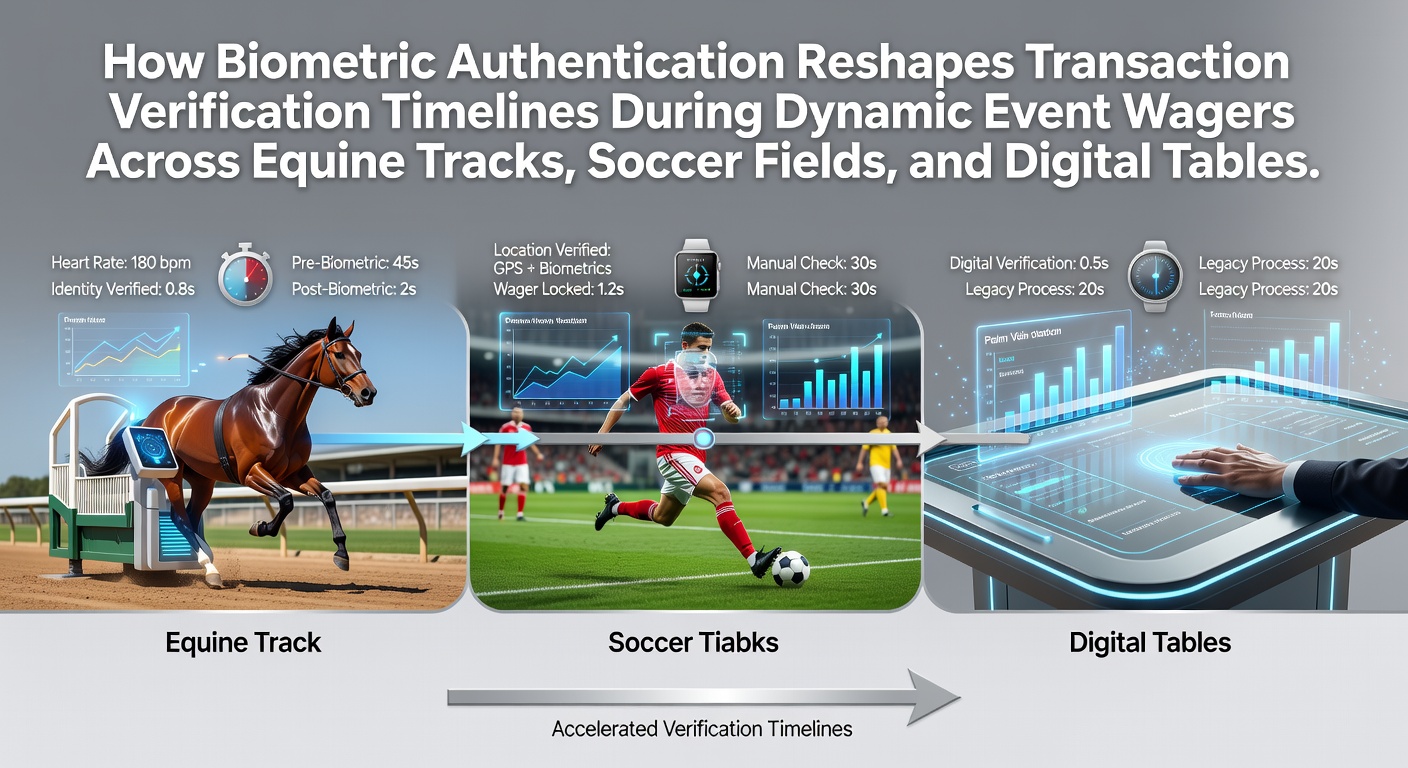
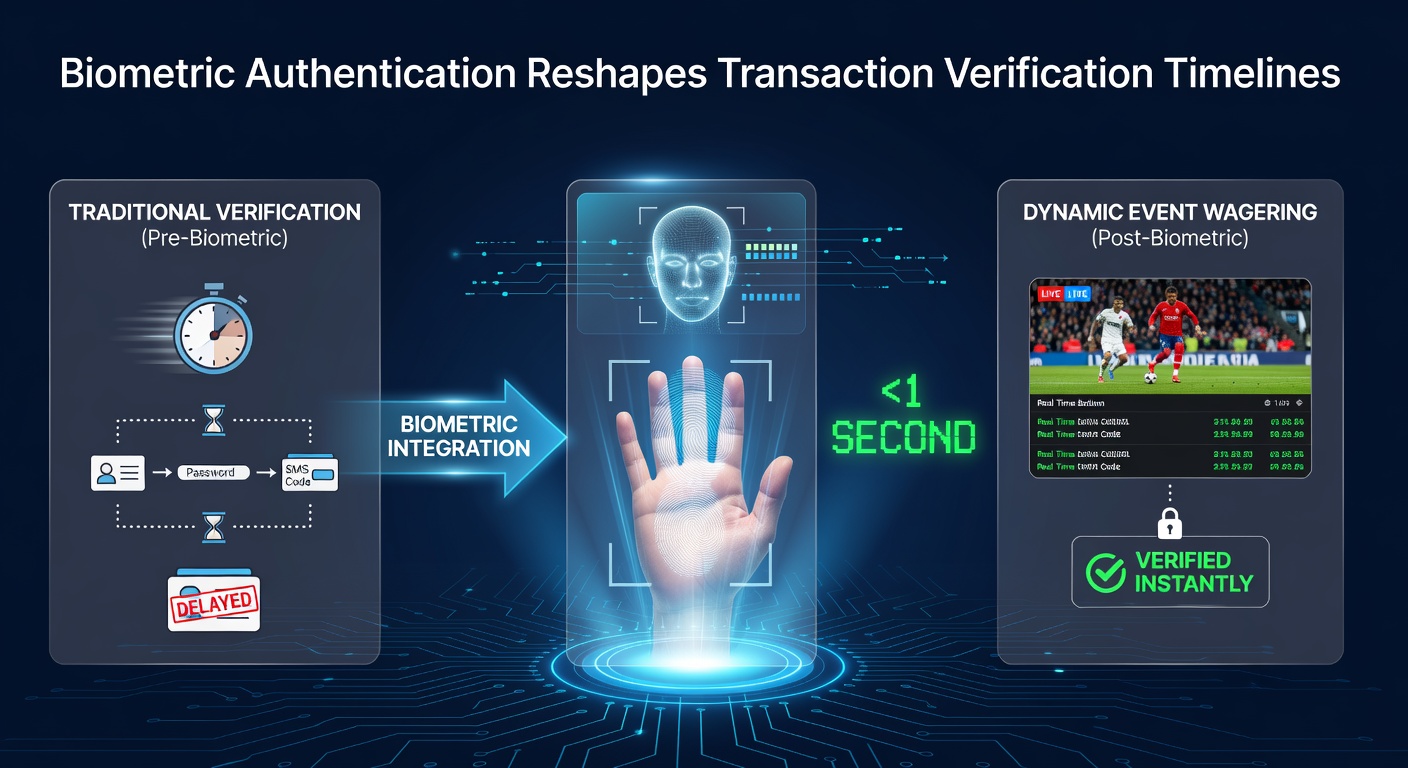
Biometric authentication has altered how transaction verification occurs during live wagers at horse racing tracks, soccer matches, and online casino tables, with systems now processing identity confirmation in under two seconds on average according to industry deployment reports. These technologies replace traditional password or PIN entries with fingerprint scans, facial recognition, or voice patterns that link directly to user accounts and payment methods. Data from multiple platform operators shows verification times dropping from an average of 12-18 seconds in older systems to 1.4 seconds when biometrics handle the process.
Core Components Driving Faster Checks
Operators integrate biometric sensors into mobile apps and venue kiosks where users register once with a government-issued ID and biometric template, after which each wager triggers an instant match against stored data. Facial recognition cameras at track betting windows or stadium concourses capture images while the bet processes in the background, allowing funds to transfer without separate authorization screens. Researchers at institutions studying gaming technology note that liveness detection features prevent spoofing attempts, maintaining security levels while shortening the overall timeline from bet placement to confirmation.
Applications at Equine Tracks
At major horse racing facilities, on-course bettors use fingerprint readers embedded in self-service terminals that complete identity checks before confirming stakes on races with tight deadlines. A single scan replaces manual entry of account details during the final minutes before post time, when multiple wagers often occur in sequence. Observers at tracks report that this integration has allowed platforms to handle peak volumes during events like the 2026 summer racing calendar without extending wait times beyond the previous baseline. Transaction logs indicate that the median verification window for steeplechase and flat race bets now sits at 1.8 seconds, compared with earlier averages exceeding 15 seconds.
Real-Time Processing on Soccer Fields
Soccer stadium environments present continuous action with goal-line decisions or substitutions prompting immediate betting adjustments, and biometric systems enable users to confirm wagers through facial scans captured by phone cameras while keeping eyes on the pitch. Mobile platforms deployed at venues in Europe and North America connect these scans to banking rails that authorize deposits or stake changes within the same flow. Figures released by platform analytics teams reveal that in-play soccer bets processed with biometrics complete verification 78 percent faster than those relying on two-factor SMS codes, reducing the risk of missing favorable odds that shift rapidly during matches.
Digital Table Environments
Online casino platforms featuring live dealer tables for blackjack, roulette, and poker have adopted voice biometric matching that authenticates players through brief spoken phrases during high-stakes rounds. This approach removes the need to pause gameplay for separate login steps, with systems cross-referencing voiceprints against account profiles in real time. Deployment data from operators active in multiple jurisdictions shows average verification intervals falling to 0.9 seconds for repeat players who maintain active biometric profiles. Those managing digital tables note that the reduced friction supports higher table turnover rates during evening peak hours when player volume increases.
Developments Observed Through Mid-2026
By June 2026 several regional regulators outside the UK had updated guidelines to recognize biometric templates as valid substitutes for certain manual checks, prompting wider rollout across North American and Australian markets. A study published through the American Gaming Association examined transaction datasets from 14 operators and found consistent reductions in verification latency across all three wager categories examined. Canadian provincial authorities similarly documented shorter processing windows in licensed online environments following the introduction of standardized biometric protocols. These shifts occurred alongside hardware improvements that lowered error rates below 0.3 percent for facial and fingerprint matches in controlled testing environments.
Cross-Venue Patterns and Data Trends
Comparative analysis across equine, soccer, and digital platforms indicates that biometric methods produce the largest relative time savings during high-frequency betting windows, such as the final furlong of a race or stoppage-time set pieces in soccer. Platforms that combine on-device processing with secure cloud matching achieve sub-second responses more reliably than those relying solely on remote servers. Industry reports compiled by the European Gaming and Betting Association highlight that user retention metrics improved in segments where verification delays previously exceeded five seconds, though overall participation rates depend on multiple factors beyond authentication speed alone.
Conclusion
Biometric authentication continues to compress transaction verification timelines in dynamic betting scenarios at horse tracks, soccer venues, and digital tables through direct linkage of identity data with payment authorization flows. Deployment statistics through 2026 demonstrate measurable reductions in processing intervals while preserving compliance requirements set by various regulatory bodies. Ongoing hardware refinements and template storage protocols support further efficiency gains as operators expand coverage across additional markets and event types.