11 Jun 2026
Anticipation Builds Around 2026 World Cup as UK's Biggest Betting Event Yet

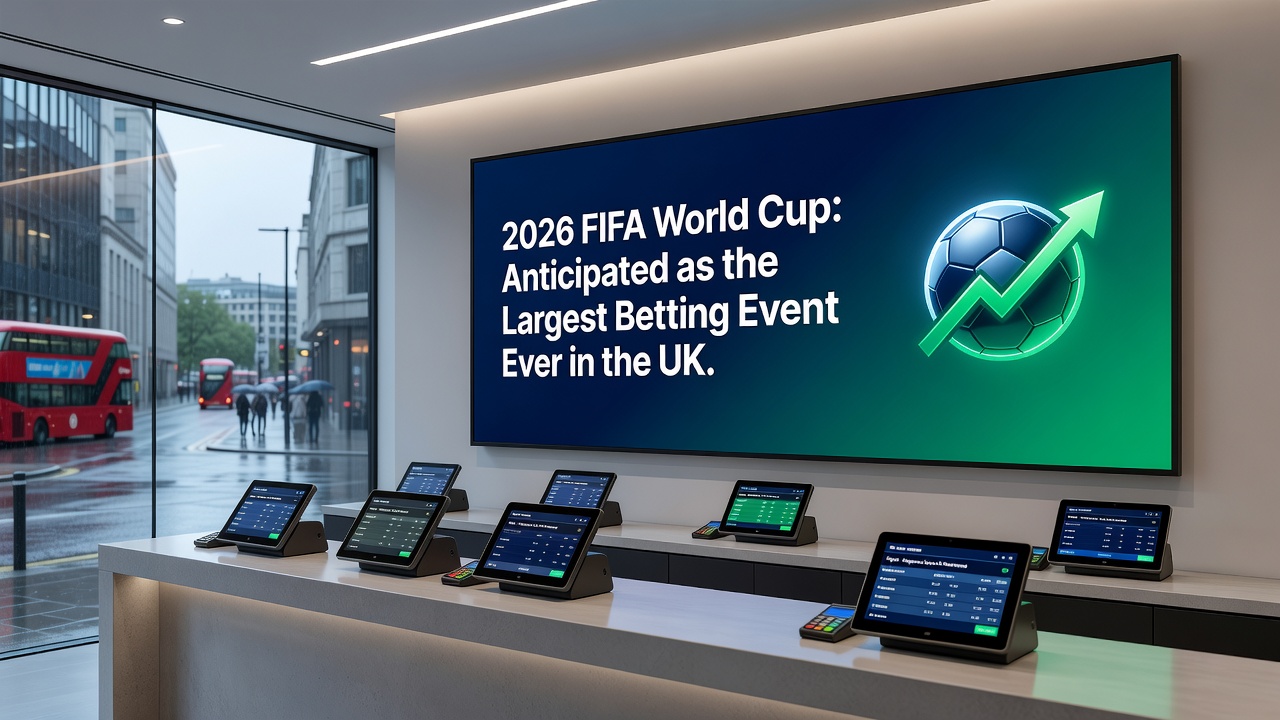
The 2026 FIFA World Cup stands poised to eclipse previous tournaments as the largest betting event ever recorded in the UK, according to industry observers and campaigners who point to expanded match schedules alongside heightened commercial activity from operators. This edition of the tournament expands to 48 teams and runs across multiple host nations in North America, which creates a longer calendar of fixtures that analysts expect will draw substantial wagering interest from British punters during the summer of 2026.
UK-based gambling reform campaigner Matt Zarb-Cousin has drawn attention to potential increases in harm, noting that operators may use the event to cross-promote addictive casino content to sports bettors who arrive primarily for football markets. His comments appear in coverage that highlights the scale of expected activity while flagging risks tied to promotional tactics that blend sports betting interfaces with casino-style games.
Scale of Expected Activity
Market data and historical patterns indicate that major international football events generate spikes in remote betting volumes, and the 2026 tournament's extended format amplifies this effect because it stretches across more weeks than earlier editions. Operators have already begun positioning welcome offers and enhanced odds around group-stage matches that begin in June 2026, creating an environment where bettors encounter frequent prompts to explore additional products. The combination of live in-play options, cash-out features, and bundled promotions contributes to the projection that this World Cup will surpass prior records for total stakes placed through UK-licensed platforms.
Figures from previous tournaments show that remote betting yields rise sharply during the competition period, and regulators anticipate a similar surge when the expanded schedule unfolds. This growth occurs against a backdrop of ongoing implementation of the Gambling Act review measures, which aim to tighten rules on advertising and player protections while the industry readies itself for peak demand.
Cross-Promotion Concerns Highlighted
Matt Zarb-Cousin has specifically warned that the high visibility of the World Cup creates opportunities for operators to direct sports-focused customers toward casino content that carries higher addiction potential. These tactics often involve seamless navigation between football markets and slot or table games within the same app or website, which reduces friction for users who might otherwise limit their activity to sports. Campaigners argue that such integration can accelerate the transition from occasional betting to more intensive patterns, particularly among younger adults who engage heavily with mobile platforms during major events.
Evidence gathered from earlier tournaments demonstrates that promotional bundles frequently pair free bets on matches with deposit bonuses redeemable on casino products, and Zarb-Cousin has called for closer scrutiny of these practices ahead of 2026. The UK Gambling Commission already requires operators to separate sports betting and casino sections in certain contexts, yet campaigners maintain that current safeguards do not fully prevent the kind of cross-selling that occurs during high-profile periods. Data from harm-reduction studies suggest that exposure to multiple gambling formats within a single session correlates with elevated risk scores, which adds weight to the call for targeted restrictions during the tournament window.
Regulatory and Industry Context
While the 2026 World Cup approaches, the UK continues to refine its regulatory framework following the 2023 white paper on gambling reform. Licensing conditions now emphasize clearer risk warnings and affordability checks, yet the volume of marketing expected around the tournament tests the effectiveness of these measures in real time. Operators must balance commercial objectives with compliance obligations, and several major firms have introduced enhanced responsible gambling tools specifically timed for the event. These include deposit limits that activate automatically during live matches and pop-up messages that remind users of session duration when they switch between sports and casino sections.
Industry projections place the combined economic impact of betting activity during the tournament in the hundreds of millions of pounds, driven by both domestic participation and international traffic routed through UK platforms. This scale brings renewed focus on enforcement, with the Commission expected to monitor advertising placements and promotional compliance more intensively than in previous cycles. Campaigners like Zarb-Cousin continue to advocate for stricter separation between sports and casino offerings, arguing that voluntary measures alone have not sufficiently reduced the pathways that lead some users toward higher-risk products.
Looking Ahead to June 2026
As kickoff nears in June 2026, stakeholders across the sector will watch how operators manage the influx of new accounts and the volume of cross-product promotions. Historical patterns show that first-time bettors acquired during major tournaments often receive targeted follow-up offers, and the concern remains that some of these offers steer users toward casino content rather than sustained sports engagement. The expanded fixture list means the period of heightened activity lasts longer, which extends the window during which these promotional dynamics can operate.
Public health researchers have noted correlations between large-scale sporting events and increased calls to gambling support services in subsequent weeks, and preparations are underway to bolster helpline capacity ahead of the tournament. Zarb-Cousin and similar advocates emphasize that proactive limits on cross-promotion could mitigate some of these pressures without curtailing legitimate sports betting markets.
Conclusion
The convergence of an expanded World Cup schedule, record projected betting volumes, and documented concerns over cross-promotion sets the stage for a pivotal moment in UK gambling regulation by mid-2026. Observers note that the actions taken by operators and enforced by the Commission during this period will shape industry standards for years to come, particularly around the integration of multiple gambling formats within single platforms. Data collected throughout the tournament will likely inform future policy adjustments aimed at balancing commercial activity with harm reduction objectives.